

Gorilla Tracking in Uganda: The Untold Side of a Life-Changing Experience
For many travelers, gorilla tracking in Uganda is a once-in-a-lifetime bucket list adventure. Coming face-to-face with the majestic mountain gorillas of Bwindi Impenetrable Forest or Mgahinga Gorilla National Park is often described as spiritual, humbling, and deeply emotional.
While the brochures and Instagram shots highlight the magic of the moment when you finally meet the gorillas, there’s so much more to this experience than that final hour. To truly prepare for the journey and to get the most out of it, it’s important to know what really goes into a gorilla tracking experience in Uganda.
It’s Not a Stroll in the Park, It’s a Real Trek
Let’s start with something many travel ads skip: gorilla tracking can be physically demanding. Depending on where the gorilla family is located that day, you might walk for 1 to 6 hours (or more) through dense jungle, steep hills, and muddy terrain.
It’s not uncommon for the trek to be wet, slippery, and exhausting, especially during the rainy season. You’ll be weaving through vines, ducking under branches, and sometimes scrambling up or down slopes that require good shoes and steady footing.
But here’s the thing: every single step is worth it.
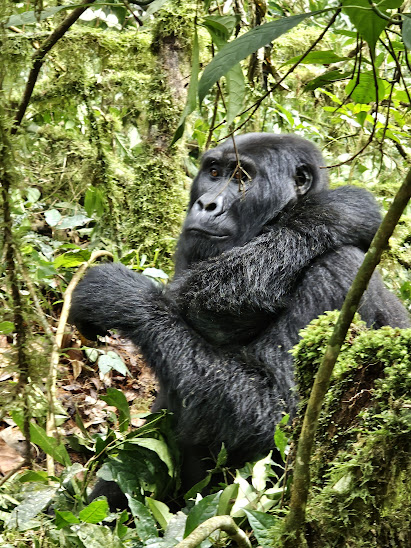
The moment you spot your first silverback or see a baby gorilla tumbling through the leaves, the fatigue fades. The exhaustion turns to awe. This contrast the hard work of the trek followed by the reward of connection, is what makes the experience so unforgettable.
Local Porters: The Unsung Heroes of the Forest
Here’s something few people talk about before they arrive in Uganda: you don’t have to carry all your gear alone.
At the start of the trek, local porters, often from nearby communities, are available for hire to carry your backpack, help you navigate rough terrain, and even lend a steady hand on steep climbs. It may feel like a luxury, but for many trekkers, especially those with camera equipment or limited mobility, it becomes a necessity.
Hiring a porter doesn’t just make your trek easier, it’s a direct way to support local livelihoods. Many of these porters are former poachers who have been given a sustainable, conservation-minded alternative through community-based tourism.
So if you’re hesitating, don’t. Hire a porter. You’ll be glad you did and you’ll be making a positive impact, at the same time.
You Only Get One Hour. But It’s an Hour Like No Other
Once you find the gorilla family, your group (limited to 8 people) will be allowed only one hour with them. This strict rule helps reduce stress on the animals and limits potential exposure to human diseases.
That might sound short but the moments are intensely rich.
You might see the silverback watching you calmly, a mother nursing her infant, or young gorillas playing, tumbling, and occasionally approaching you with innocent curiosity. You’re often just a few meters away, sitting quietly among these incredible creatures in their natural habitat.
That hour feels like a window into another world a world we’re lucky to be invited into, even briefly.
Permits: Pricey, but Purposeful
A gorilla tracking permit in Uganda costs $800 (as of 2025) for foreign non-residents. Yes, it’s might seem expensive to some. But that money goes directly into protecting the gorillas, funding the national parks, and supporting local communities.
When you buy a permit, you’re not just buying access to see gorillas. You’re investing in conservation and responsible tourism. This is one of the rare travel experiences where your presence can help preserve what you’re there to see.
What to Pack: Beyond the Basics
Gorilla tracking demands more than a camera and sunscreen. Here’s what you’ll want to pack to make the experience more comfortable and safe:
- Sturdy hiking boots (ankle-high with good grip)
- Long pants and long-sleeve shirts (to protect against thorny bushes and insects)
- Rain jacket or poncho (the forest is called “impenetrable” for a reason—it holds a lot of moisture)
- Gardening gloves (helpful for grabbing branches during steep climbs)
- A walking stick (usually provided by park guides, but essential for balance)
- Snacks and water (the trek can be long and draining)
- Gaiters or high socks (to prevent ants from getting into your boots)
Pro tip: Always pack light but smart, your porter can help with gear, but you’ll still want to be agile on your feet.
Prepare Mentally. It’s an Emotional Journey
Many travelers are surprised by how emotionally intense the gorilla tracking experience can be. You might feel overwhelmed with joy, awe, or even tearful during your encounter. There’s something incredibly profound about looking into the eyes of a wild gorilla and recognizing something familiar—intelligence, calm, even a quiet curiosity. This isn’t just a wildlife sighting. It’s a human connection to the wild, one that stays with you long after you return home.
Gorilla tracking in Uganda is not your average nature tour. It’s a physically challenging, emotionally powerful, and deeply rewarding experience. It’s about adventure, conservation, community, and humility all wrapped into one.
So yes, prepare for long walks, some sweat, and aching legs. But also prepare to be transformed. Because once you meet the gentle giants of Uganda’s forests, something in you changes and you’ll carry that with you for life.
Thinking about booking a gorilla trek in Uganda? I can help you plan the best time to go, what to pack, and how to pair it with other unforgettable Ugandan adventures. Just ask!

Comments are closed